
How Long Should a Water Supply Pipe Last? Signs It May Be Time for an Upgrade
Most homeowners know roughly how long a boiler should last. Roofs, windows and driveways all have expected lifespans. But when it comes to the water supply pipe — the pipe that connects your home to the public main — very few people know what to expect.
Because it’s buried underground, it’s easy to forget about. Out of sight often means out of mind. The problem is that when a supply pipe fails, it rarely does so quietly.
Understanding how long different pipes last, and knowing the early signs of deterioration, can help you avoid sudden failures and costly emergency repairs.
How Long Does a Water Supply Pipe Typically Last?
The honest answer is: it depends on the material, installation quality and ground conditions.
Older properties across Coventry may still have supply pipes made from lead, galvanised steel or early plastic materials. Modern homes are typically connected using MDPE plastic pipe, which is far more durable.
Here’s a general idea of lifespan:
Lead pipes can last many decades, but they are prone to internal narrowing and long-term deterioration.
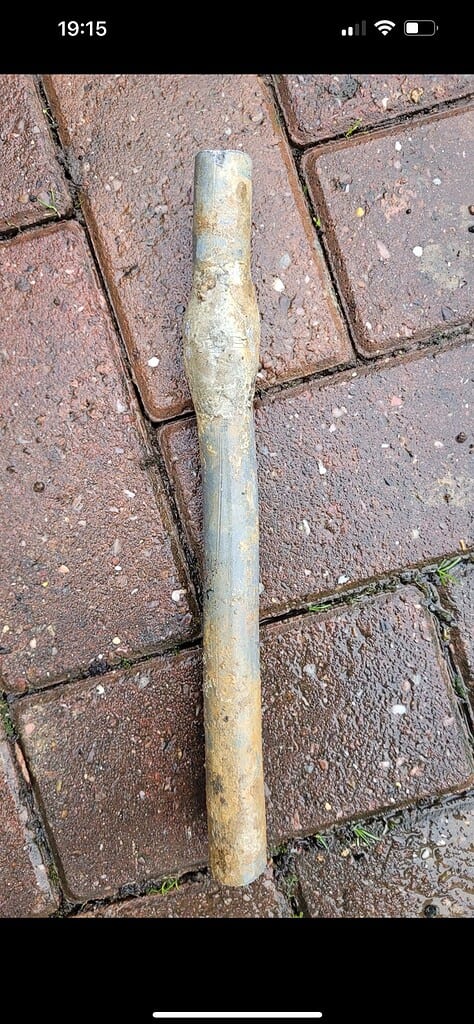
Galvanised steel pipes often last 40 to 60 years before corrosion becomes a serious issue.
Older plastic pipes vary widely in durability and may become brittle over time.
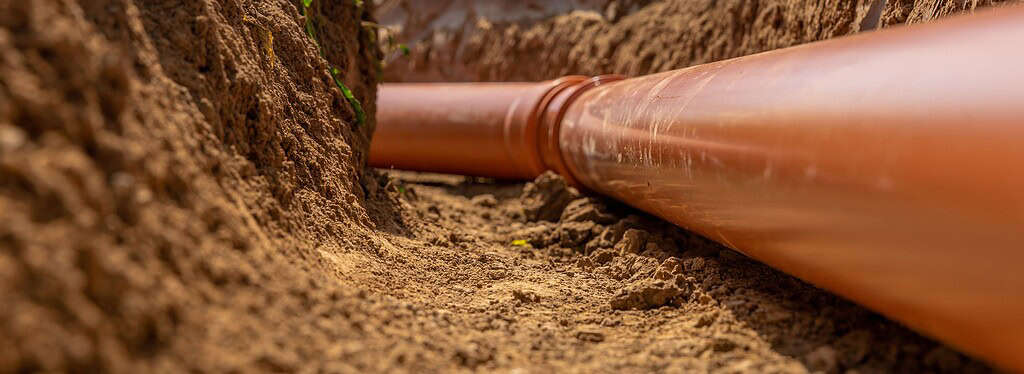
Modern MDPE pipes can last 50 years or more under normal conditions.
However, lifespan isn’t just about age. Ground movement, pressure levels and previous repairs all play a role.
Why Pipes Fail Earlier Than Expected
Even a pipe that’s technically within its lifespan can fail if conditions aren’t ideal.
Seasonal temperature changes cause soil to expand and contract. Over time, this movement puts stress on underground pipework. Nearby traffic vibration, tree roots and building work can also contribute.
Water pressure is another factor. Consistently high pressure increases strain on joints and fittings, especially in older materials.
In many cases, pipes don’t simply “wear out.” They weaken gradually until one section gives way.
Subtle Signs Your Supply Pipe May Be Deteriorating
Because supply pipes are underground, problems tend to develop quietly. The signs are often subtle at first.
You might notice water pressure slowly decreasing over months or years. Showers feel weaker. Taps take slightly longer to fill sinks. Nothing dramatic, just not quite as good as it used to be.
Another common sign is a gradual increase in water bills without any change in usage. Small leaks underground can go unnoticed while still running through the meter.
Damp patches in the garden that don’t dry out properly can also point to a developing issue.
These are often early warnings that the pipe is no longer in ideal condition.
When Repairs Start Becoming Regular
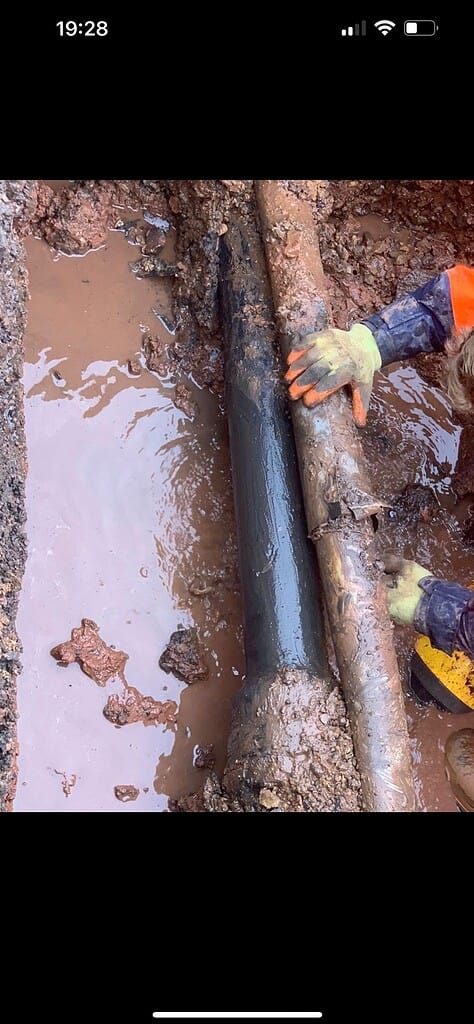
If you’ve had more than one leak repair on your supply pipe, it’s usually a sign that the pipe is weakening overall.
Repairing isolated sections can be effective in the short term, but if problems keep appearing in different areas, replacement often becomes the more practical and cost-effective option.
It’s similar to patching an aging roof. At some point, replacing it entirely makes more sense than continuing to repair small sections.
The Risk of Waiting for a Complete Failure
Many homeowners delay replacement because the pipe is still functioning.
The difficulty is that when supply pipes fail completely, they tend to do so suddenly. A burst underground pipe can cause significant water loss, soil displacement and surface damage in a short period of time.
Emergency repairs are almost always more disruptive than planned upgrades.
Taking action before failure allows you to schedule work at a convenient time and avoid unnecessary stress.
Modern Replacement Is Less Disruptive Than You Think
One of the biggest reasons people hesitate to upgrade is fear of digging up their garden or driveway.
Modern no-dig replacement methods have changed that. In many cases, a new supply pipe can be installed using small access points rather than long trenches. This keeps disruption to a minimum and often allows work to be completed in a single day.
Knowing that replacement doesn’t automatically mean major excavation makes proactive upgrades far more realistic.
Is It Worth Replacing a Pipe That Hasn’t Failed Yet?
That depends on a few factors.
If your property has older lead or steel pipework, pressure issues, or a history of leaks, upgrading can provide long-term peace of mind.
If you’re planning renovations, adding bathrooms, or improving overall water performance, a new supply pipe ensures the infrastructure supports those upgrades.
For homeowners thinking about resale value, modern pipework can also remove a potential concern during surveys.
The Value of a Professional Assessment
The only way to truly understand the condition of your supply pipe is through proper inspection and testing.
A professional assessment can confirm whether your pipe is in good condition, developing minor issues, or approaching the end of its useful life.
That knowledge allows you to make informed decisions rather than reacting to emergencies.
Planning Ahead Always Costs Less Than Reacting
Water supply pipes are built to last, but they don’t last forever. Knowing roughly how old your pipe is and watching for early warning signs can prevent unexpected disruption.
Upgrading at the right time isn’t about unnecessary work. It’s about avoiding sudden failures and protecting your home from preventable damage.
If you’re unsure about the age or condition of your supply pipe, getting clarity now can save you a great deal of hassle later.

Do you need help from our experts?
Give us a call today to get expert advice and support from our experienced team.
Get a free quote along with professional advice
In need of our help?