
What Happens During a Leak Detection Visit? A Step-by-Step Guide for Homeowners
If you’ve never needed leak detection before, it can feel a bit unclear. You know something isn’t right — maybe your water pressure has dropped, your bill has gone up, or there’s a damp patch outside — but you’re not quite sure what happens next.
One of the most common questions we hear is simple: what actually happens during a leak detection visit?
The short answer is that it’s far more straightforward (and far less disruptive) than most people expect. The goal isn’t to dig up your garden and hope for the best. It’s to find the exact problem first, then deal with it properly.
Here’s how it usually works.
It Starts With a Conversation
Before any equipment comes out, the first step is understanding what you’ve noticed.
This might include changes in water pressure, higher bills, damp areas outside or anything unusual with your water supply. Even small details help build a picture of what’s going on.
This part matters more than people think. It often helps narrow down where the issue could be before any testing even begins.
Checking the Water Meter
One of the simplest but most effective checks is looking at your water meter.
If everything in the property is turned off and the meter is still moving, it’s a strong sign that water is escaping somewhere. This helps confirm whether a leak is likely before moving on to more detailed testing.
It’s a quick step, but it gives a clear starting point.
Tracing the Route of the Supply Pipe
Supply pipes don’t always run in a straight line, and they’re not always where people expect them to be.
Part of the process involves working out the likely route of the pipe from the boundary to your property. This helps narrow down the search area and avoid unnecessary disruption later on.
In some cases, this alone explains a lot about where the issue might be.
Using Specialist Equipment to Locate the Leak
This is where leak detection becomes more precise.
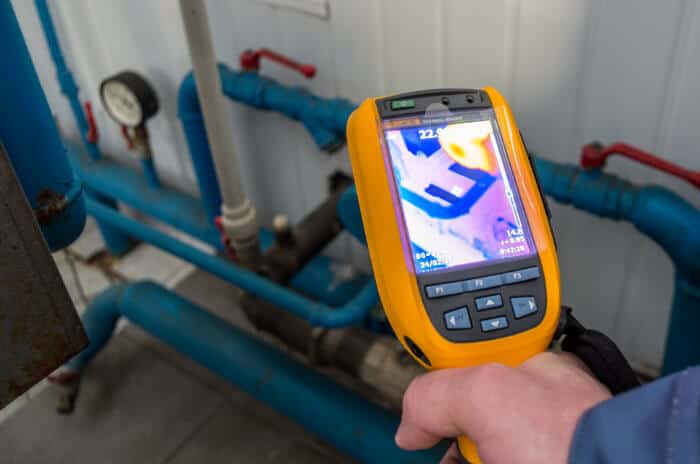
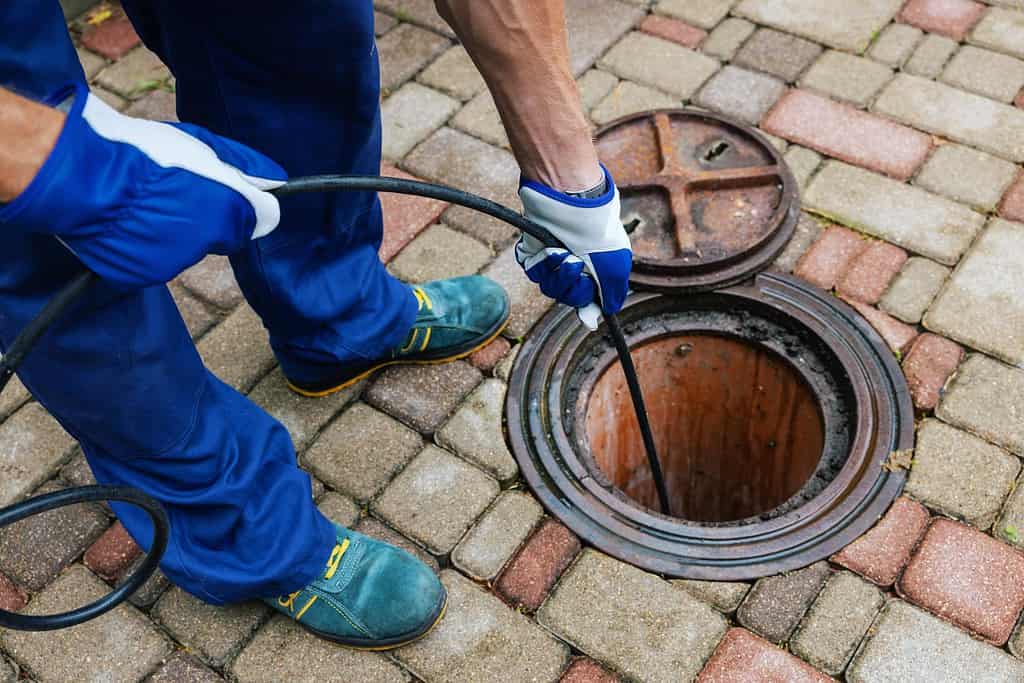
Instead of digging blindly, specialist tools are used to listen for or trace the sound of water escaping underground. These tools are sensitive enough to pick up leaks beneath soil, paving and even driveways.
The aim is to narrow the problem down to a specific area rather than a general guess.
This step is what makes the whole process far more efficient.
Confirming the Exact Location
Once a likely spot is identified, further checks are used to confirm it.
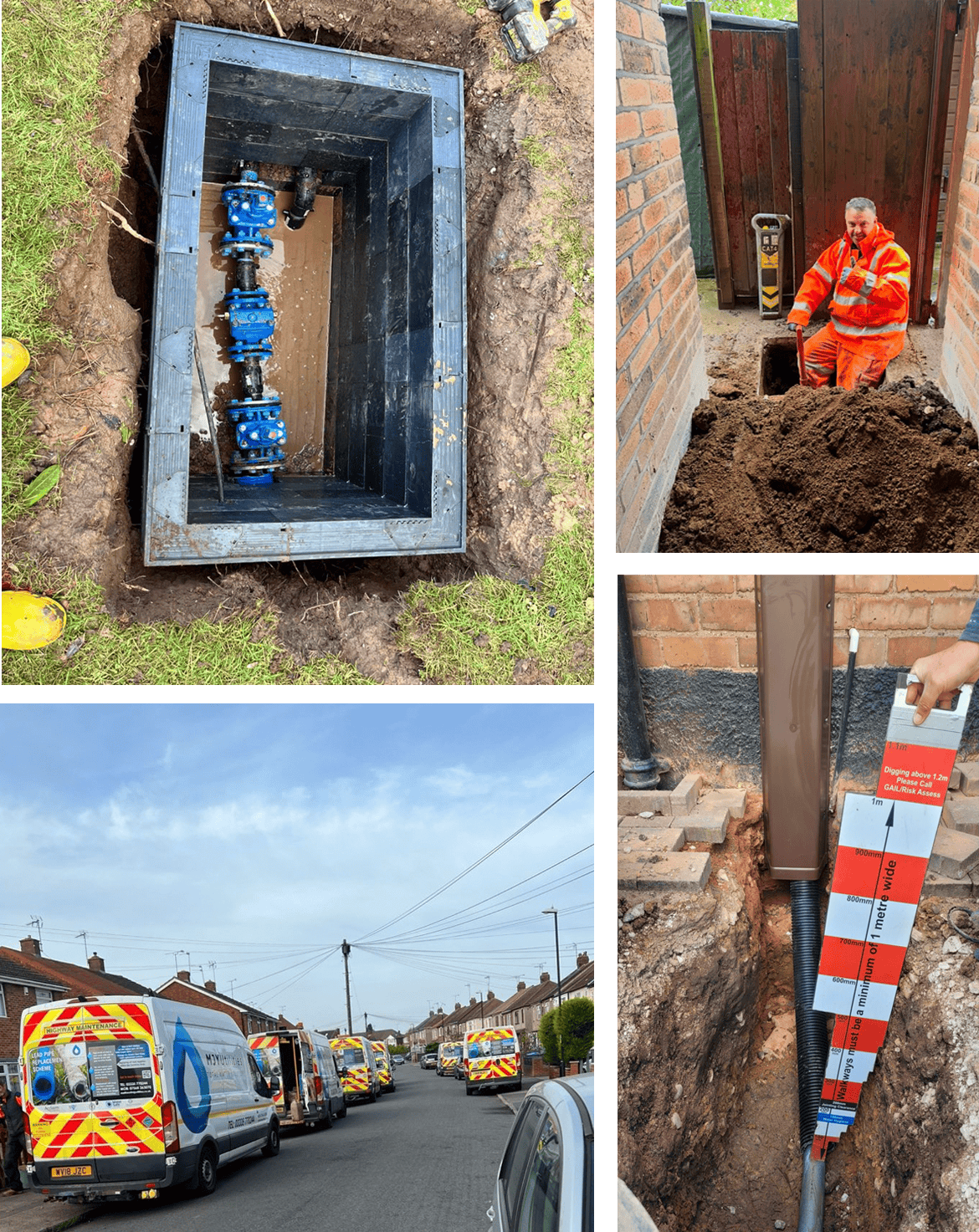
This avoids unnecessary digging and ensures that when any excavation does happen, it’s in the right place first time.
For homeowners, this is where the real value of leak detection shows — less mess, less time and less disruption.
Explaining What’s Been Found
Once the leak has been located, everything is explained clearly.
You’ll know where the problem is, what’s caused it and what your options are moving forward. There’s no guesswork or vague advice — just a straightforward explanation of what needs to happen next.
Repair or Replacement — What Happens Next?
The next step depends on the condition of the pipe.
If the issue is small and localised, a repair may be enough. If the pipe is older or showing signs of wear, replacement might be the better long-term solution.
This is always based on what’s actually been found, not assumptions.
Why It’s Less Disruptive Than People Expect
A lot of homeowners put off leak detection because they expect it to involve digging up large areas.
In reality, the whole point of the process is to avoid that. By finding the problem first, any work that follows is targeted and controlled.
In many cases, the disruption is far smaller than people imagine.
Peace of Mind From Knowing What’s Going On
One of the biggest benefits of leak detection isn’t just fixing the problem — it’s knowing exactly what you’re dealing with.
Instead of guessing or worrying about what might be happening underground, you get a clear answer. From there, everything becomes much simpler.
It’s a Straightforward Process When You Know What to Expect
If something doesn’t feel right with your water supply, it’s easy to assume the worst. But leak detection is a practical, step-by-step process designed to find the issue quickly and deal with it properly.
No guesswork, no unnecessary digging — just a clear way to get to the root of the problem.
Do you need help from our experts?
Give us a call today to get expert advice and support from our experienced team.
Get a free quote along with professional advice
In need of our help?