
Why Your Garden or Driveway Keeps Flooding After Rain
Heavy rain is nothing new in the Midlands, but standing water around your home should not be ignored. If your lawn stays wet for days, your driveway keeps pooling, or water runs towards the house instead of away from it, there is usually a reason.
For homeowners across Coventry, garden and driveway drainage issues can be frustrating. One week the ground looks fine, then after a downpour you are left with puddles, soft soil and water sitting where it should not be.
Sometimes the cause is simple. Other times, it can point to poor drainage design, compacted ground, blocked channels or an underground issue that needs proper attention.
Why Water Pools Around a Property
Water naturally follows the easiest route. If your garden, path or driveway does not allow rainwater to drain away properly, it will collect in the lowest points.
This is common where the ground has become compacted, where patios or driveways have been laid without enough drainage, or where older drainage systems are no longer doing their job.
In areas of Coventry with established housing, such as Earlsdon, Coundon, Stoke, Tile Hill, Binley and Allesley, many properties have been extended, paved or landscaped over time. Each change can affect how rainwater moves around the property.
A driveway that worked well years ago may struggle once extra paving, garden walls or extensions have changed the natural flow of water.
The Signs Your Drainage Is Not Working Properly
The most obvious sign is standing water that remains long after rain has stopped. A small puddle after a storm is not always a concern, but if the same area floods repeatedly, it is worth looking into.
Other signs include grass that stays soft underfoot, soil washing away near paths, water collecting at the base of walls, damp smells near external drains or water flowing towards doors and garages.
Driveways can show problems too. Block paving may start to sink, gravel may move out of place, or surface water may sit across the entrance instead of draining away.
These issues rarely improve on their own.
Why Poor Drainage Can Lead to Bigger Problems
Garden flooding is not just an inconvenience. If water sits around your property regularly, it can damage surfaces and create long-term problems.
Soft ground can affect patios, pathways and driveways. Water sitting close to walls can increase damp concerns. In colder weather, standing water can freeze and make surfaces unsafe.
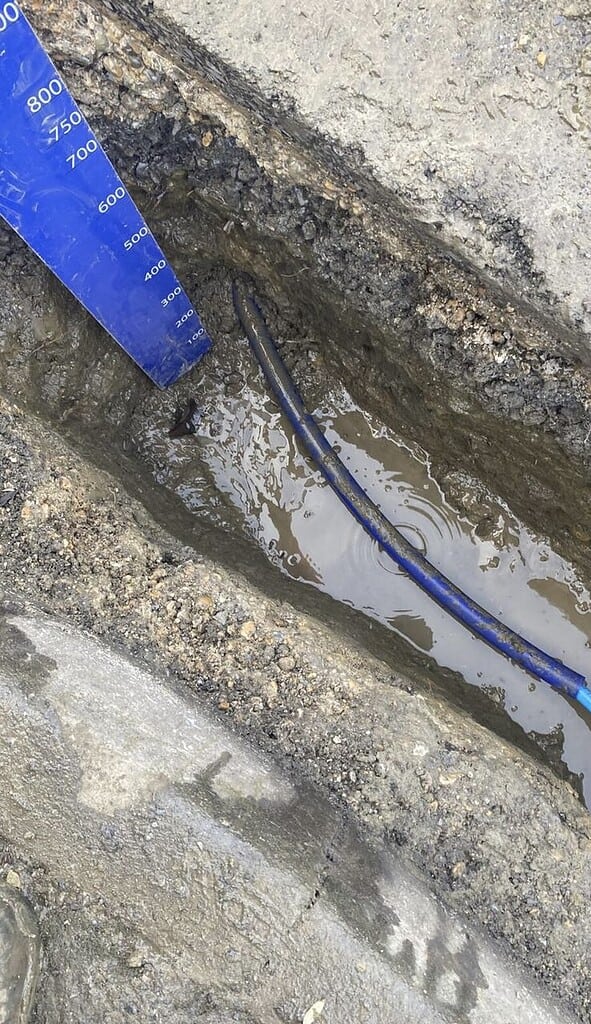
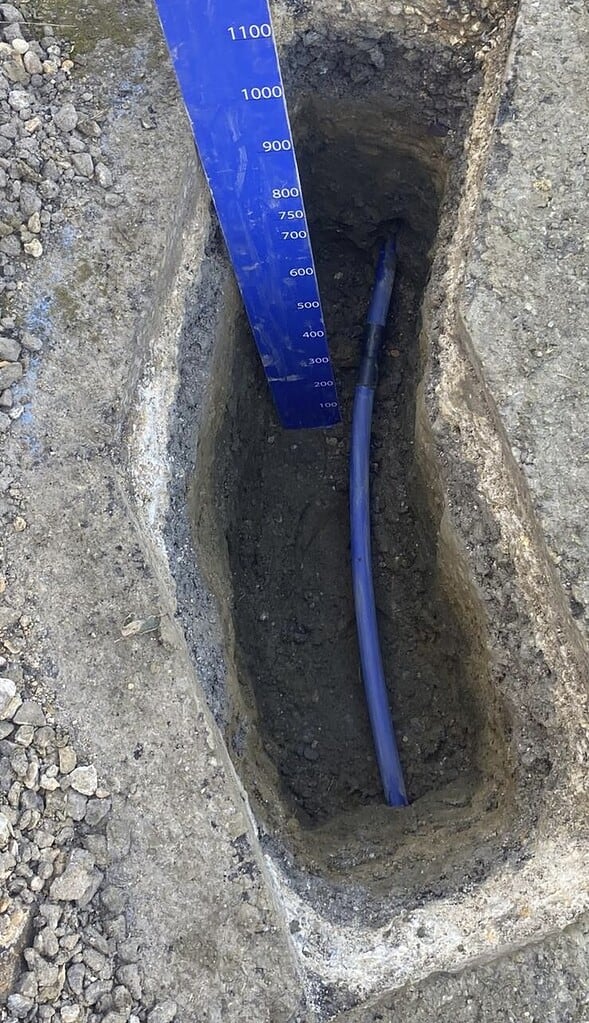
There is also the risk that homeowners mistake drainage problems for a leaking water pipe, or the other way around. Both can cause wet ground, but they need different solutions.
That is why getting the cause checked properly matters.
Could It Be a Drainage Problem or a Water Leak?
This is a common question.
If wet areas appear only after rainfall, drainage is usually the first thing to consider. If the ground stays wet even during dry weather, or your water bill has increased, a hidden supply pipe leak may be involved.
A damp garden does not always mean a leaking pipe, but it should not be dismissed either. The pattern of the water gives useful clues.
Rain-related pooling usually points to surface drainage. Constant wetness, pressure changes or a moving water meter may suggest a leak.
What Drainage Solutions Can Help?
The right solution depends on the property and where the water is coming from.
A French drain can help collect and redirect water through a gravel-filled channel. This is often useful along gardens, boundaries or areas where water naturally gathers.
A land drain can help manage waterlogged ground, especially where soil holds too much moisture.
Channel drainage is commonly used across driveways, patios and entrances to collect surface water before it reaches the house or garage.
A soakaway may also be suitable in some situations, allowing water to disperse gradually into the ground away from the property.
There is no single fix that suits every home. Good drainage needs to be planned around the layout, ground conditions and where the water needs to go.
Why DIY Fixes Often Fall Short
It can be tempting to dig a small trench or add gravel where water collects, but this often just moves the problem somewhere else.
Drainage has to work as a system. Water needs a clear route away from the problem area and a suitable place to discharge or soak away. Without that, the same issue usually returns after the next heavy rainfall.
A proper assessment helps avoid wasted effort and makes sure the solution actually deals with the cause.
Local Considerations for Coventry Homes
Coventry has a mix of older terraces, semi-detached homes, newer estates and properties with sloped gardens or paved frontages. That variety means drainage problems can look very different from one area to another.
Homes near busier roads may deal with runoff from hard surfaces. Properties with older gardens may have compacted ground or outdated drainage. Houses with new driveways may experience pooling if surface water was not properly planned.
It is also important to understand whether the issue is on private land or connected to a public drain, road gully or sewer. If the problem is within your property, it will usually need a private drainage solution.
When Should You Get It Checked?
If flooding happens once during unusually heavy rain, it may not be urgent. If it keeps happening, gets worse over time or starts affecting paths, driveways or areas close to the house, it is worth getting advice.
You should also act sooner if the wet area appears even when there has been no recent rain, as this could point to a hidden leak rather than a drainage issue.
Getting clarity early can save money and prevent small problems becoming more disruptive.
Keeping Your Property Dry and Protected
Good drainage is one of those things homeowners only notice when it stops working properly.
When rainwater has somewhere safe to go, gardens stay usable, driveways last longer and the property is better protected.
If your garden or driveway keeps flooding after rain, MJY Utilities can help identify the cause and recommend a practical solution. Whether it is a French drain, land drain, soakaway, channel drainage or further investigation for a possible leak, the right approach starts with understanding what is really happening beneath the surface.

Do you need help from our experts?
Give us a call today to get expert advice and support from our experienced team.
Get a free quote along with professional advice
In need of our help?