
Lead Water Supply Pipes in Older Coventry Homes: Signs, Risks and Replacement Options
Many older homes across Coventry still have parts of their original water supply system in place. In some properties, that can include a lead supply pipe running from the boundary into the house.
Because the pipe is usually buried beneath a garden, driveway or path, most homeowners have no idea what material it is made from. It may have been there for decades without causing an obvious problem. That does not always mean it is performing as well as it should.
Older lead pipework can become damaged, restricted or unreliable over time. It may also affect water pressure and make future leaks more likely. For homeowners renovating, buying an older property or dealing with ongoing supply issues, replacing the old pipe can be a sensible long-term improvement.
What Is a Water Supply Pipe?
Your water supply pipe carries fresh water from the public main into your property. The water company is generally responsible for the pipework in the street, while the section that crosses your land and serves your home is usually your responsibility.
This private section often runs underground from the boundary stop tap to the point where the water enters the building.
In newer homes, supply pipes are normally made from modern plastic materials. Older homes may still have lead, galvanised steel or another outdated type of pipework.
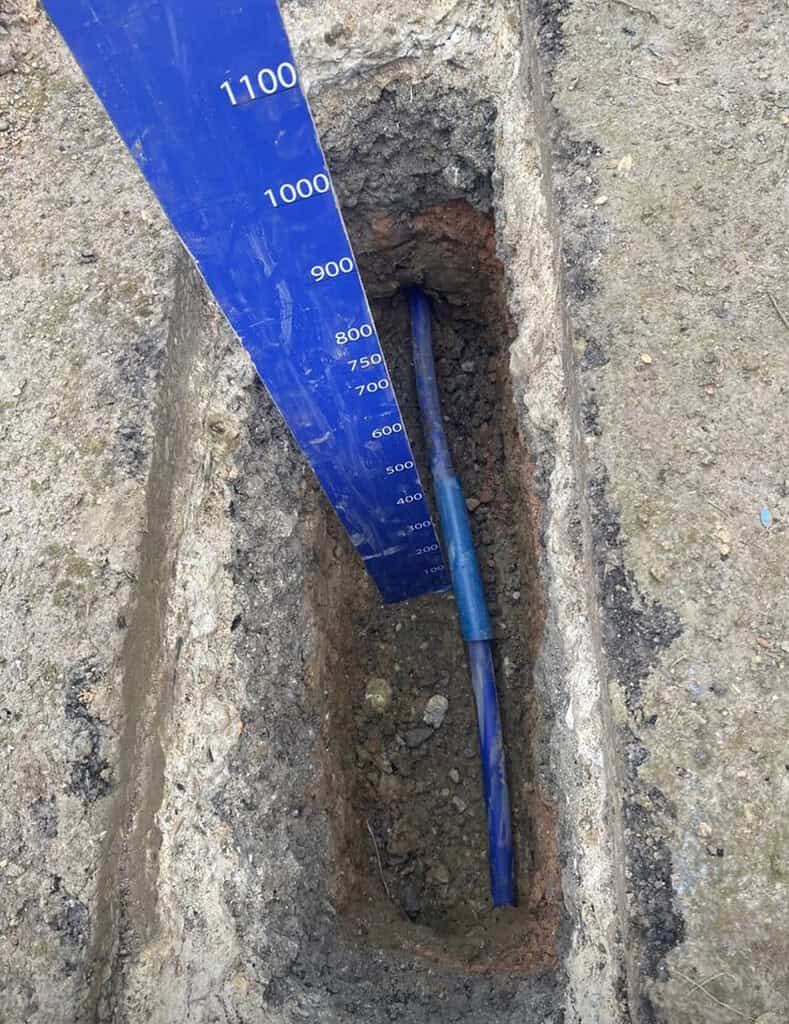
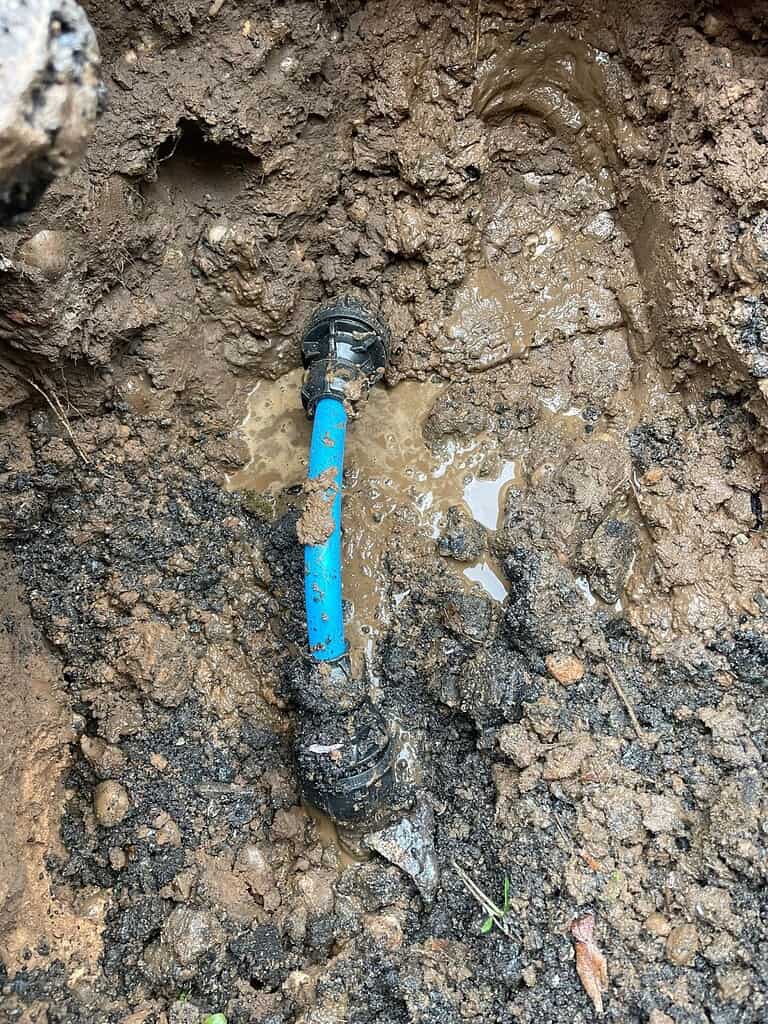
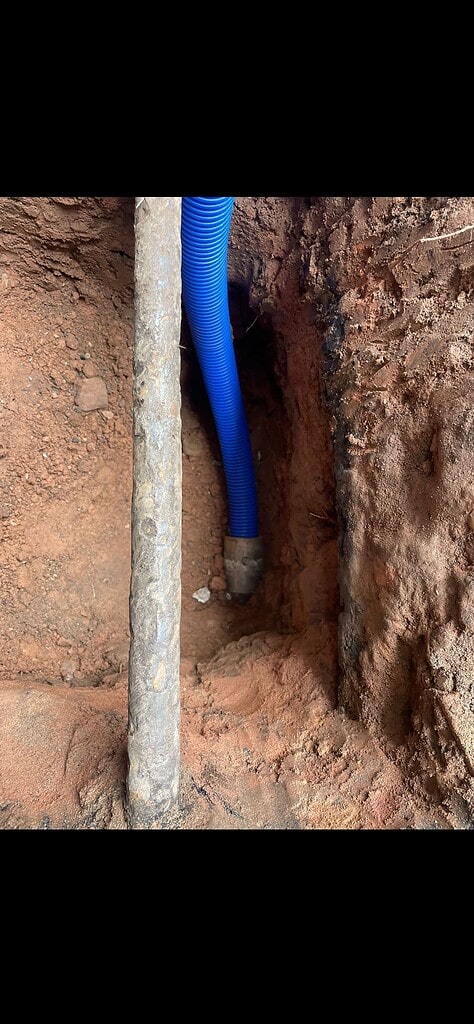
Why Were Lead Pipes Used?
Lead was once widely used because it was flexible, durable and easy to shape. It was a practical material for underground water connections at the time.
As standards changed and better materials became available, lead stopped being used for new supply pipe installations. Modern replacements are usually made from MDPE, a strong plastic pipe designed for underground water services.
The difficulty is that many original pipes were never replaced. If they continued to work, homeowners often had little reason to investigate them.
How Can You Tell If Your Home Has a Lead Supply Pipe?
The underground section cannot usually be identified without investigation, but there may be clues inside the property.
Look at the pipe near your internal stop tap or where the water supply first enters the home. Lead pipework is generally dull grey and may look slightly uneven rather than perfectly straight. If gently scraped, the surface can appear shiny underneath.
Copper pipe is usually brown or reddish, while modern plastic supply pipe is often blue.
It is important not to damage or disturb any pipe while checking it. If you are unsure, a professional assessment is the safest way to confirm the material and route.
The age of the property can also provide a clue. Homes built before modern plastic supply pipes became standard are more likely to have older materials, although previous owners may already have upgraded them.
Common Problems With Older Lead Supply Pipes
One of the main problems with older pipework is that its condition is hidden. A supply may appear to work normally while the pipe underground is gradually deteriorating.
Ground movement can place pressure on the pipe. Nearby building work, traffic vibration and tree roots may also affect it. Over time, small cracks or weak joints can develop and allow water to escape.
Older pipes may also have a narrower internal diameter than modern replacements. This can contribute to weak or inconsistent water pressure, particularly when several taps or appliances are being used at once.
Some homeowners experience repeated leaks because different sections of the same ageing pipe begin to fail. A local repair may solve the immediate problem, but another weak point can appear later.
Signs Your Supply Pipe May Need Attention
A sudden drop in water pressure is often one of the first signs that something is wrong. You may notice that showers feel weaker, taps take longer to fill a sink or appliances are slower to draw water.
An unexplained rise in your water bill can also point to a hidden leak. Water escaping underground may not be visible, but it can still pass through the meter and be recorded as usage.
Outside the property, look for damp ground that does not dry properly, unusually soft soil, greener patches of grass or water appearing through paving.
Repeated repairs, discoloured water or a supply pipe that is known to be several decades old are also good reasons to arrange an assessment.
Is Repairing the Pipe Enough?
A targeted repair may be suitable when the damage is isolated and the rest of the pipe is in reasonable condition. This can be a practical option for a newer supply pipe with one clear fault.
With older lead pipework, the decision is not always so simple. Repairing one damaged section leaves the rest of the original pipe in place. If the pipe is already deteriorating, further leaks may follow.
The cost of repeated callouts, excavation and reinstatement can quickly add up. In many cases, replacing the full private supply pipe provides better value and greater peace of mind.
A professional assessment should consider the age, material, route and overall condition of the pipe before recommending repair or replacement.
What Are the Benefits of Replacing a Lead Supply Pipe?
A new modern supply pipe gives the property a reliable connection designed for current household demand.
Homeowners may notice stronger and more consistent water flow, particularly where the old pipe was narrow, restricted or leaking.
Replacement also removes ageing underground pipework that may otherwise become a source of repeated problems. This can be especially useful before installing a new bathroom, extending the property or adding appliances that increase water demand.
For anyone planning to sell, evidence of a modern replacement can also reassure buyers that an important part of the property has already been upgraded.
Does Replacement Mean Digging Up the Whole Garden?
Not necessarily.
Traditional replacement often involved excavating a trench along the full route of the pipe. That could mean lifting paving, disturbing landscaping and carrying out extensive reinstatement work.
Modern no-dig methods allow a new pipe to be installed using smaller access points. Specialist equipment creates a route underground, reducing the need for long trenches across the property.
Every site is different, so access, ground conditions and the existing pipe route need to be assessed first. Where no-dig installation is suitable, it can make the process much quicker and tidier than many homeowners expect.
When Is the Best Time to Replace It?
There is no need to wait for a major leak or complete loss of supply.
If you already know the property has lead pipework, are experiencing low pressure or have had more than one repair, it is worth discussing replacement before the next problem occurs.
It also makes sense to investigate the supply pipe before major landscaping, driveway work or an extension. Installing a new driveway and then digging through it a year later is something most homeowners would rather avoid.
Planned work gives you more control over timing, cost and disruption than an emergency repair.
Get Clear Advice Before Making a Decision
Not every older home needs immediate replacement, and not every pressure issue is caused by lead pipework. The important thing is to understand what is actually serving the property and whether it is still reliable.
MJY Utilities can assess private water supply pipes across Coventry, locate hidden leaks and advise on suitable repair or replacement options. Where a new pipe is needed, modern installation methods can often keep disruption to a minimum.
If you are unsure what material your water supply pipe is made from, or you have noticed pressure changes, damp ground or rising bills, getting it checked now could prevent a much larger problem later.

Do you need help from our experts?
Give us a call today to get expert advice and support from our experienced team.
Get a free quote along with professional advice
In need of our help?