
Low Water Pressure in Coventry Homes: When It’s a Pipe Problem, Not Your Plumbing
Low Water Pressure in Coventry Homes: When It’s a Pipe Problem, Not Your Plumbing
Low water pressure is a common complaint among homeowners, but one of the biggest misconceptions is that the issue always lies inside the property. Faulty taps, blocked shower heads or internal plumbing problems do sometimes cause pressure issues—but in many Coventry homes, the real problem is hidden underground.
At MJY Utilities, we regularly attend properties where internal plumbing has already been checked or replaced, only to discover that the true cause of low water pressure is a failing supply pipe or damaged water main. Understanding the difference can save homeowners time, money and frustration.
In this blog, we’ll explain when low water pressure is likely a pipe problem rather than a plumbing issue, the warning signs to watch for, and how professional investigation can restore proper flow to your home.
Why Low Water Pressure Is Often Misdiagnosed
When pressure drops, many homeowners understandably start indoors. Shower heads are cleaned, taps are replaced, and sometimes entire bathrooms are refurbished—yet the problem remains.
That’s because water pressure issues often originate before the water even enters the property. Underground supply pipes can leak, corrode or collapse gradually, reducing the amount of water reaching your home long before any internal fixtures are involved.
Without professional assessment, these issues can go undetected for years.
Signs the Problem Is NOT Your Plumbing
If you’re experiencing low water pressure, the following signs strongly suggest the issue lies with your supply pipe or water main rather than internal plumbing:
Pressure Is Low Throughout the Entire Property
If all taps, showers and appliances are affected, the issue is almost certainly external.
Pressure Drops at Peak Times
If pressure worsens in the morning or evening, this can indicate a shared or restricted supply pipe.
Sudden or Gradual Pressure Loss
Both sudden drops and slow declines in pressure are common symptoms of underground leaks.
Higher Water Bills with No Change in Usage
Water escaping underground still passes through the meter, leading to increased costs.
No Improvement After Internal Fixes
If replacing fixtures or checking internal pipework hasn’t solved the issue, the supply pipe should be investigated.
These signs often point directly to an underground problem.
Common Pipe-Related Causes of Low Water Pressure
Hidden Leaks in the Supply Pipe
Small leaks underground can significantly reduce pressure without obvious surface signs. Over time, these leaks worsen, allowing more water to escape before it reaches your home.
Aging or Corroded Pipes
Many Coventry properties still rely on older supply pipes that narrow internally due to corrosion or mineral build-up. As the internal diameter reduces, pressure drops—even if no leaks are present.
Lead or Steel Pipework
Older materials such as lead or galvanised steel restrict flow over time. These pipes are particularly prone to pressure issues and are often best replaced rather than repaired.
Ground Movement and External Damage
Seasonal temperature changes, nearby construction or natural ground movement can place strain on underground pipes, causing cracks, misalignment or partial collapse.
Shared Supply Pipes
Some properties share a supply pipe with neighbouring homes. When multiple households use water at the same time, pressure drops noticeably. Installing a dedicated supply pipe resolves this issue entirely.
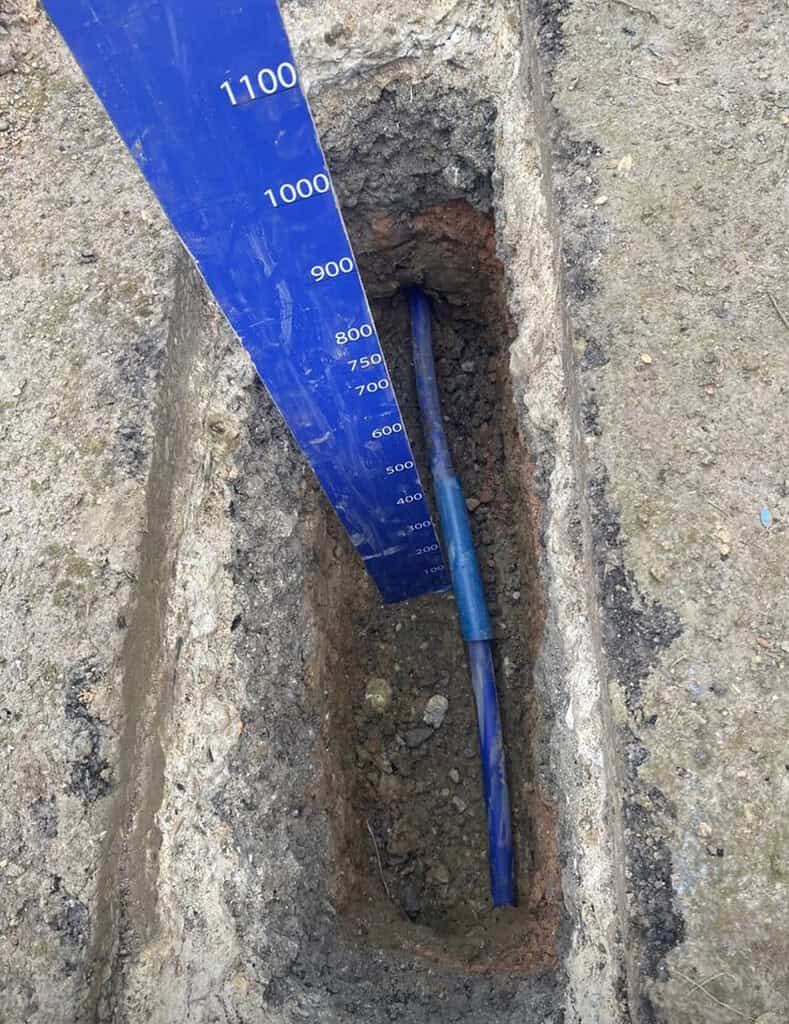
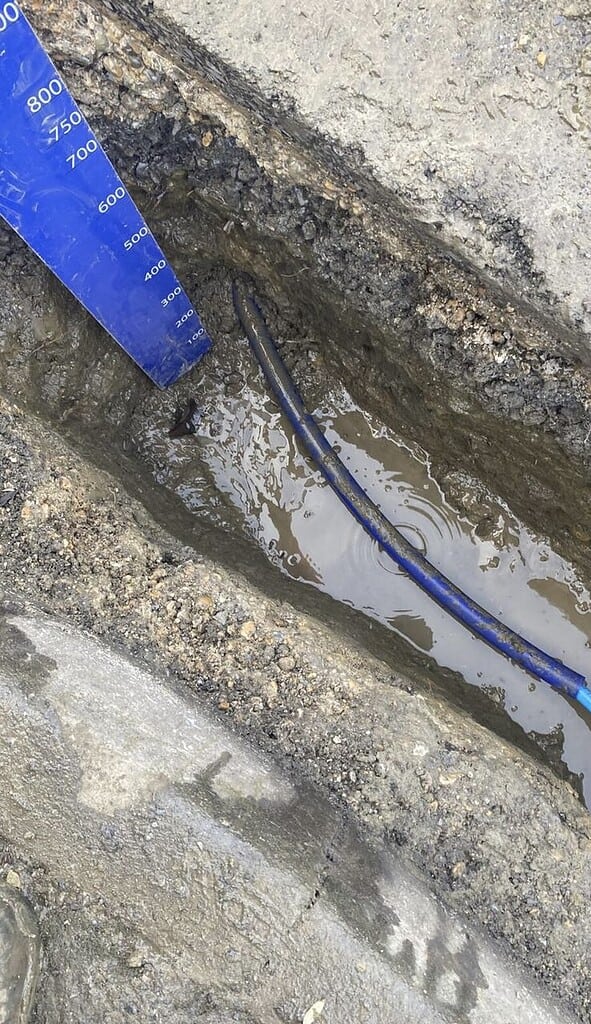

Why Plumbing Fixes Often Don’t Work
Internal plumbing issues tend to affect isolated fixtures. For example, a blocked tap will only affect that tap. A failing supply pipe, however, affects everything downstream.
Replacing internal components without addressing the supply pipe often results in repeated costs with no improvement—something we see far too often.
How Professional Leak Detection Identifies the Real Cause
Professional leak detection removes the guesswork. Using modern, non-invasive techniques, engineers can determine whether water is escaping underground or being restricted before it reaches your home.
By identifying the exact cause of pressure loss, repairs or upgrades can be targeted accurately—saving homeowners unnecessary disruption.
When Repair Is Enough — And When Replacement Is Smarter
If a leak is isolated and the pipe is otherwise in good condition, a targeted repair may restore pressure effectively.
However, if the pipe is old, corroded or has suffered repeated issues, a full replacement is often the better long-term solution. Modern no-dig replacement methods allow a new pipe to be installed with minimal disruption, often within a single day.
Replacing the supply pipe can result in:
- Immediate pressure improvement
- More reliable water flow
- Reduced risk of future leaks
- Long-term peace of mind
Why Early Action Matters
Low water pressure rarely improves on its own. Left unresolved, pipe issues often escalate into leaks, bursts or complete supply failure—especially during colder months.
Addressing the problem early helps avoid emergency repairs and higher costs later on.
Why Coventry Homeowners Choose MJY Utilities
At MJY Utilities, we specialise in identifying and resolving supply-side water issues. Our experience with leak detection, pipe repairs and no-dig replacement allows us to deliver the right solution for each property.
Homeowners trust us because we offer:
- Accurate diagnosis
- Honest advice
- Minimal disruption
- Long-term solutions
- Professional, reliable service
We focus on fixing the cause, not just the symptom.
Don’t Blame the Plumbing Until the Pipe Is Checked
If you’re dealing with low water pressure and internal fixes haven’t worked, there’s a strong chance the problem lies underground. A professional assessment can quickly confirm whether your supply pipe or water main is to blame.
MJY Utilities is here to help Coventry homeowners restore proper water pressure with confidence. Getting the right diagnosis is the first step toward a reliable, frustration-free water supply.

Do you need help from our experts?
Give us a call today to get expert advice and support from our experienced team.
Get a free quote along with professional advice
In need of our help?