
5 Signs Your Water Supply Pipe May Be Nearing the End of Its Life
Most homeowners know roughly how old their boiler is. They know when the roof was replaced and when the windows were fitted. But very few know the age of the pipe bringing water into their home.
That is understandable. Your supply pipe is hidden underground, so it is easy to forget about. The problem is that these pipes do not last forever. Like any part of a property, they age, wear out and eventually need attention.
The good news is that supply pipes often give warning signs before they fail completely. Knowing what to look for can help you avoid unexpected repairs and costly disruption.
Here are five signs that your water supply pipe may be approaching the end of its lifespan.
1. Your Water Pressure Has Gradually Dropped
One of the most common signs of an ageing supply pipe is a gradual reduction in water pressure.
This usually happens slowly, which is why many homeowners do not notice it straight away. Over time, showers may feel less powerful and taps may take longer to fill sinks or baths.
Older pipes can narrow internally due to corrosion, wear or build-up inside the pipe. As the available space for water flow reduces, pressure can suffer.
A sudden drop in pressure should always be investigated, but a slow decline over several years can also indicate that the pipe is ageing.
2. You Have Experienced More Than One Leak
A single leak does not automatically mean the whole pipe needs replacing.
However, if you have had multiple leaks over the years, it may suggest a wider issue with the condition of the pipe.
This is particularly true with older pipe materials. Once one weak point appears, others often follow.
Repeated repairs can eventually cost more than upgrading the pipe altogether.
3. Your Water Bills Have Been Increasing
Most people associate higher water bills with increased usage, but hidden leaks are another common cause.
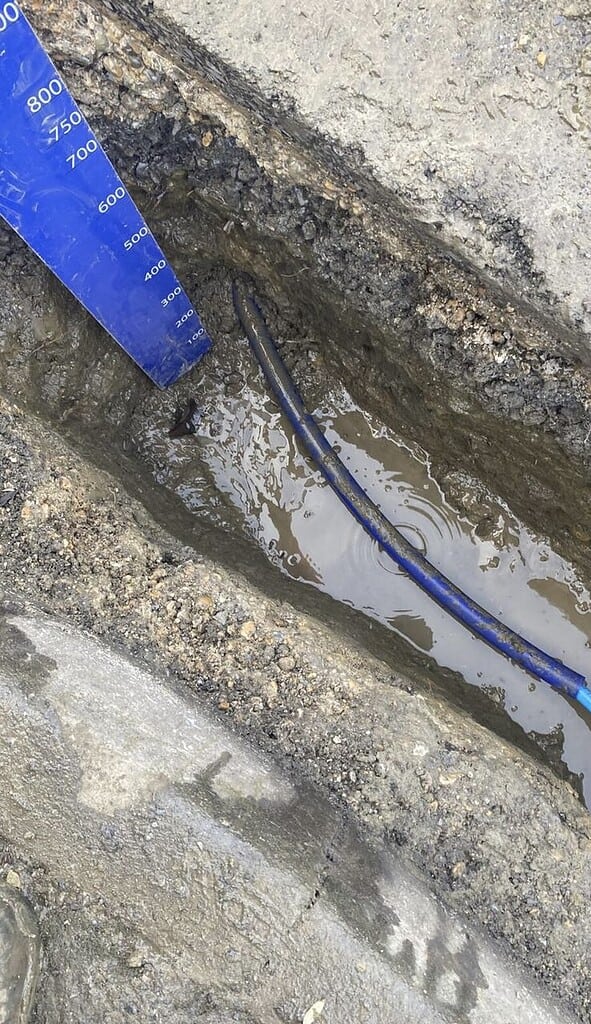
As pipes age, small cracks and weaknesses can develop underground. Water escapes continuously, often without obvious signs on the surface.
If your water consumption has increased without any change in your household habits, it could be worth checking whether the supply pipe is losing water somewhere along its route.
4. The Property Still Has Older Pipe Materials
Many older homes still have supply pipes that were installed decades ago.
Lead pipes, galvanised steel pipes and some early plastic systems can all become less reliable as they age.
That does not mean they will fail immediately, but older materials are generally more susceptible to leaks, corrosion and pressure issues than modern alternatives.
If you know your property still has older pipework, it may be worth considering its long-term condition before problems arise.
5. You’ve Noticed Damp Areas Outside
A persistent damp patch in the garden is one of the clearest signs that something underground may not be right.
This is especially true if the area remains wet during dry weather.
Supply pipe leaks often show themselves through soft ground, unusually green patches of grass or areas that never seem to dry properly.
While there can be other explanations, it is always worth investigating if the problem continues.
Why Pipes Usually Don’t Fail Overnight
One of the biggest misconceptions is that water supply pipes simply burst without warning.
In reality, most problems develop gradually. Small defects appear first, pressure changes begin, leaks develop and eventually the pipe reaches a point where more significant work is required.
This gradual process is actually helpful because it provides opportunities to identify and fix issues before they become emergencies.
The Benefits of Acting Early
Waiting until a pipe fails completely often means dealing with urgent repairs, water loss and greater disruption.
Addressing problems earlier gives homeowners more control over the situation.
It allows repairs or replacements to be planned properly and often reduces the overall cost and inconvenience involved.
Modern Replacements Are Less Disruptive Than Many Expect
One reason some homeowners put off investigating pipe issues is the fear of excavation work.
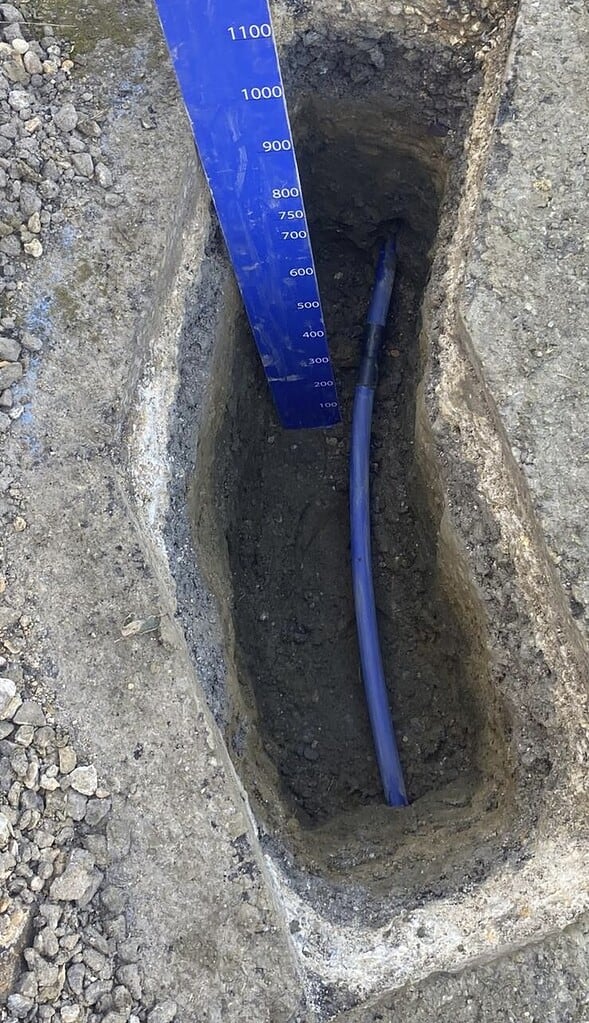
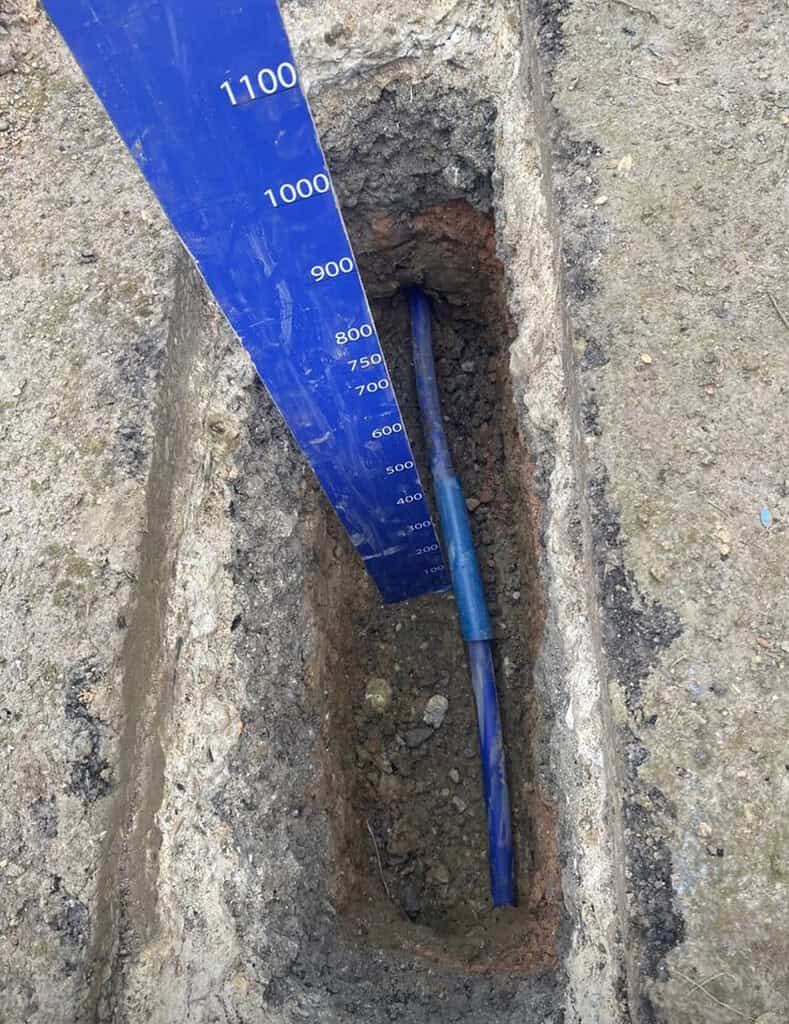
Fortunately, modern no-dig installation methods mean that many replacement projects can now be completed with minimal disruption to gardens, driveways and paths.
What once involved extensive digging can often be completed much more efficiently.
Small Signs Often Point to Bigger Issues
The key thing to remember is that water supply pipes rarely fail without leaving clues.
Changes in pressure, repeated leaks, rising water bills and damp ground all provide useful information about the condition of the system.
Paying attention to those signs can help you stay ahead of problems rather than reacting to them later.
Peace of Mind Starts With Knowing
Most homeowners do not need to think about their supply pipe every day.
But if you have noticed any of these warning signs, it may be worth taking a closer look.
Understanding the condition of your water supply now can help avoid surprises in the future and ensure your home continues to receive a reliable supply of water for years to come.
Do you need help from our experts?
Give us a call today to get expert advice and support from our experienced team.
Get a free quote along with professional advice
In need of our help?