
Why Your Garden Keeps Getting Wet: Hidden Supply Pipe Leaks Explained
Most homeowners expect their garden to get wet after heavy rain. But when certain areas stay damp long after the weather has dried up, it can start to raise questions. Maybe a patch of grass is always soft underfoot, a section of soil looks darker than the rest, or water seems to gather near a path or driveway for no obvious reason.
In many cases, these signs point to a hidden water supply leak underground.
Because supply pipes run beneath gardens, driveways and paths, leaks often show themselves at the surface long before they affect anything inside the house. Understanding the warning signs early can prevent bigger issues developing later.
Why Supply Pipe Leaks Often Go Unnoticed
Your water supply pipe connects your property to the public water main. Once installed, it’s buried underground and rarely thought about again.
Unlike indoor leaks, which quickly become visible through dripping pipes or damp walls, supply pipe leaks are hidden beneath soil. Water slowly escapes into the ground and spreads through the surrounding area before reaching the surface.
That means the problem can exist for months before homeowners realise something isn’t right.
The Signs Your Garden May Have a Hidden Leak
One of the most common indicators is a section of lawn that stays wet regardless of the weather. Even during warm periods, the ground may remain soft or spongy underfoot.
Sometimes the grass in that area grows faster or appears greener than the surrounding lawn because it’s receiving a constant supply of water.
Other times the signs appear on hard surfaces. Water may start seeping through paving joints, collecting near patios or appearing along the edge of driveways.
You may also notice your water meter moving even when no taps are running inside the house.
These small signs are often the first clues that a supply pipe leak is developing.
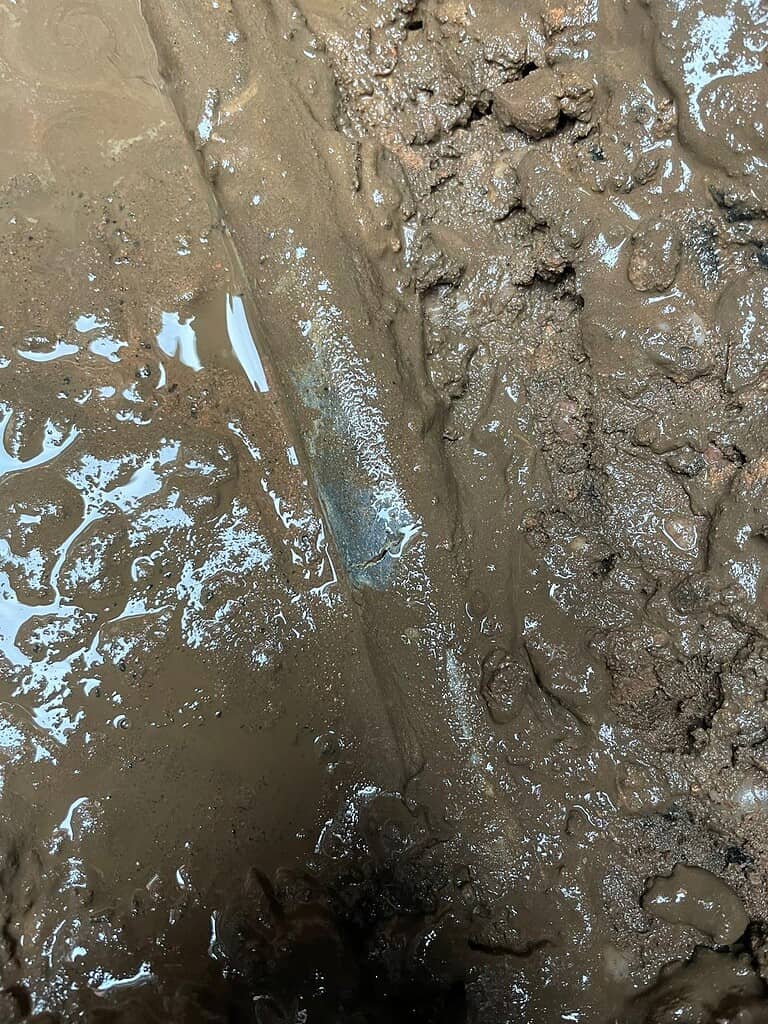
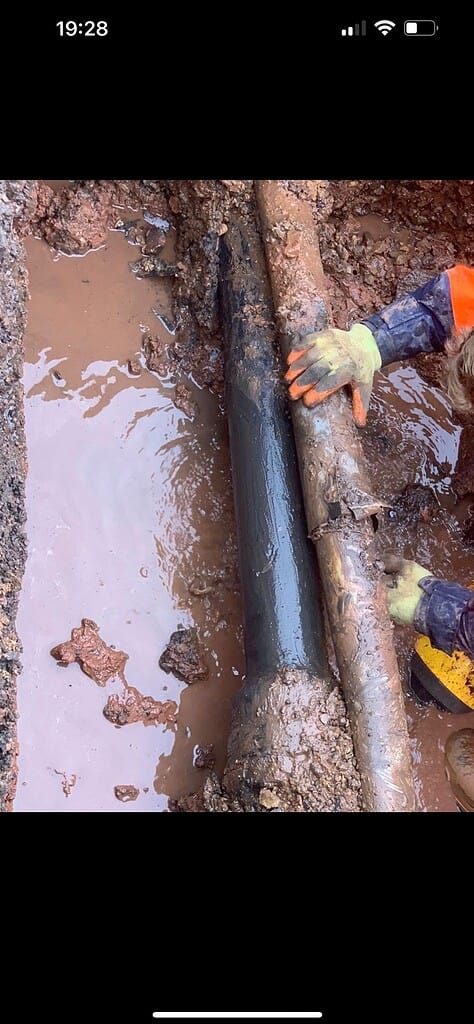
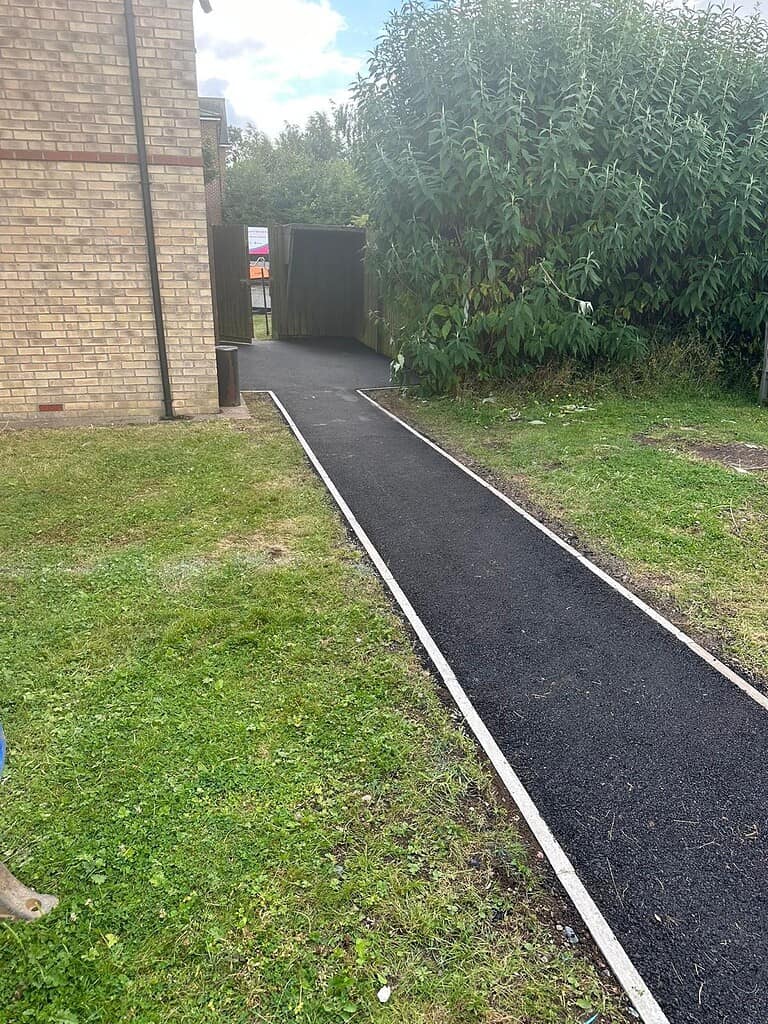
Why These Leaks Shouldn’t Be Ignored
At first glance, a wet patch in the garden may not seem like a big issue. But underground leaks can gradually cause bigger problems.
Constant water flow can wash away soil, creating small voids beneath paths, patios or driveways. Over time this can weaken surfaces and lead to movement or cracking.
Leaks also waste significant amounts of water. Because the water still passes through the meter, homeowners often see their water bills slowly increasing without realising why.
In colder months, saturated soil around the pipe can also increase the risk of freezing and pipe bursts.
What Causes Supply Pipe Leaks
Several factors can lead to underground pipe damage.
Older pipes may deteriorate naturally over time. Materials such as galvanised steel or early plastics can weaken after decades underground.
Ground movement is another common cause. Soil expands and contracts with changing temperatures and moisture levels, placing stress on buried pipework.
Tree roots, nearby construction work and general wear can also contribute to cracks or joint failures.
In many cases, leaks develop slowly before eventually becoming noticeable at the surface.
Why Guesswork Often Makes Things Worse
When homeowners see a wet area in the garden, the temptation is often to dig around and investigate. Unfortunately, this rarely solves the problem.
Supply pipes may run several feet underground and don’t always follow a straight line from the boundary to the house. Digging in the wrong place can cause unnecessary disruption without locating the leak.
This is where professional leak detection becomes valuable.
How Leak Detection Finds the Problem
Modern leak detection uses specialist equipment designed to locate underground leaks without major excavation.
Acoustic listening devices can detect the sound of water escaping from pipes. Pressure testing and tracing techniques help engineers confirm whether a leak is present and narrow down its location.
Once the leak is identified accurately, repairs can be targeted to that specific area rather than digging large sections of the garden.
This saves time, reduces disruption and ensures the repair addresses the actual problem.
Repair or Replacement
Once a leak has been located, the next step is deciding how best to fix it.
If the damage is limited to a small section of pipe, a targeted repair may be enough to restore the supply.
However, if the pipe is old or showing signs of deterioration, replacing the entire supply pipe can often be the more reliable long-term solution. Modern no-dig installation methods mean a new pipe can often be installed with minimal disruption.
Don’t Ignore the Early Signs
A constantly wet garden isn’t always caused by drainage issues or rainfall. Sometimes it’s your home’s water supply quietly leaking beneath the surface.
Catching the problem early prevents unnecessary damage and helps keep repair costs manageable.
If something in your garden doesn’t seem right, it’s worth investigating before a small leak turns into a much bigger problem.
Do you need help from our experts?
Give us a call today to get expert advice and support from our experienced team.
Get a free quote along with professional advice
In need of our help?